
Magnetic Water Treatment for Agriculture
Magnetic water treatment (MWT) is an innovative solution that enhances crop productivity while protecting irrigation and cooling systems. By altering water properties at the molecular level, MWT improves nutrient absorption, reduces salt build-up, and prevents scale formation in pipes and cooling pads.
Magnetic Water Treatment for Agriculture

Magnetic water treatment (MWT) is an innovative solution that enhances crop productivity while protecting irrigation and cooling systems.
By altering water properties at the molecular level, MWT improves nutrient absorption, reduces salt build-up, and prevents scale formation in pipes and cooling pads.
Boost Crop Yields
MWT optimizes soil moisture and nutrient mobility, allowing plants to absorb water more efficiently. Research shows that using magnetized water for irrigation can increase crop yields by 15% to 35%, accelerate seed germination, and promote healthier, stronger plant growth.
Prevent Scale Formation
MWT helps prevent scale build-up in irrigation systems, cooling pads, and agricultural pipelines. By modifying the behaviour of minerals in water, magnetized water ensures smoother system operation, reduces maintenance, minimizes downtime, and enhances overall efficiency.
Eco-Friendly and Cost-Effective
This sustainable solution reduces water usage, decreases dependency on chemical additives, and lowers operational costs. Farmers benefit from improved water productivity, higher yields, and more sustainable agricultural practices.
Transform Your Agriculture
Magnetic water treatment is a proven, environmentally friendly approach that delivers tangible results in crop performance, system reliability, and resource efficiency—making it a smart choice for modern, sustainable farming.
Magnetic Technology in Agriculture & Animal Production
Magnetic field treatment, based on the principles of Magnohydrodynamics, not only enhances the behavior of water, fluids, and fuel—but also delivers significant benefits across poultry, fish farming, and livestock production. By influencing how water molecules interact within biological systems, magnetized water supports better health, growth, and overall farm efficiency
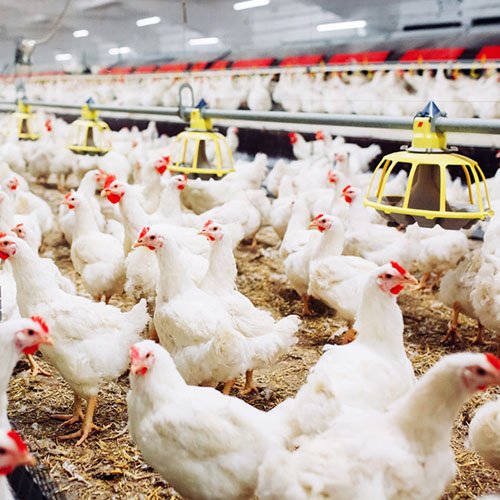
Magnetic Field Effects on Poultry
Magnetized water has been shown to improve key performance indicators in poultry farming:
- Faster growth rates and improved feed conversion (lower FCR)
- Stronger immunity, with higher resistance to common diseases
- Better meat quality and reduced mortality
- Improved hydration and nutrient absorption, supporting overall flock health
Poultry raised with magnetized water often require fewer medications and experience more consistent growth cycles.
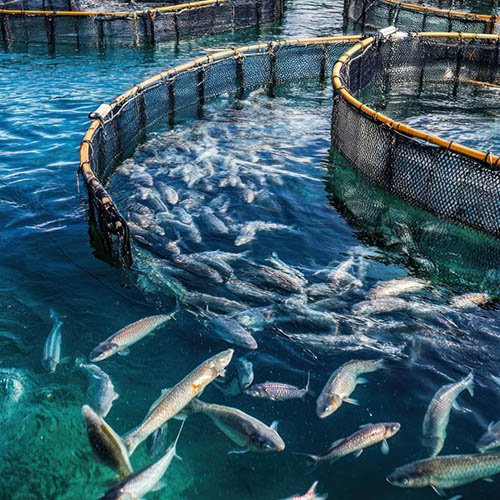
Magnetic Field Effects on Fish & Aquaculture
In aquaculture, magnetized water positively influences both water quality and fish health:
- Enhanced oxygen solubility, resulting in healthier aquatic environments
- Improved digestion and feed efficiency, supporting faster growth
- Reduced ammonia and harmful deposits, keeping tanks and ponds cleaner
- Lower mortality rates and improved immunity
The result is healthier fish, higher yields, and more sustainable farming operations.
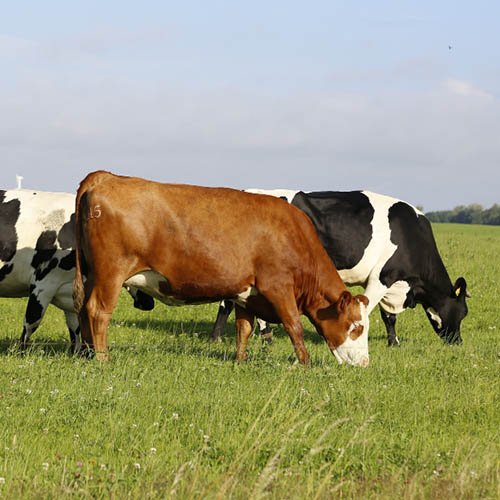
Magnetic Field Effects on Livestock
For cattle, sheep, goats, and other livestock, magnetic water plays a major role in improving productivity:
- Higher milk yield and better milk quality (increased protein, lactose, SNF)
- Improved nutrient absorption, promoting better weight gain and reproductive health
- Enhanced metabolic function, including improved blood parameters
- Stronger digestive health, reducing bloating, stress, and digestive disorders
Livestock drinking magnetized water show improved vitality and more efficient feed utilization

Sustainable Impact Across the Farm
Whether used for irrigation, drinking water, aquaculture systems, or cooling operations, magnetic field technology provides:
- Higher productivity with lower operational costs
- Reduced chemical usage and cleaner systems
- Better animal welfare and farm sustainability
Magnetic treatment is a simple, eco-friendly innovation delivering measurable improvements across crops, poultry, fish, and livestock—making it a powerful solution for modern agriculture.